
You've decided you need to improve your B2B website. Now what?
Here's our step by step recipe for kick starting your B2B website project.
There are probably several reasons why you’ve decided your B2B website needs to change.
Perhaps leads have dried up, business has evolved from your old site, it’s clunky to use, or looks too similar to your competitors'.
But improving your B2B website is a big project. It comes with risk, can take a lot of time, and might leave you feeling like there’s a lot on your plate.
Here’s where to start:
Step 1: find your current website performance
Before you set any goals for your B2B website, you need to find out what’s working and what’s not.
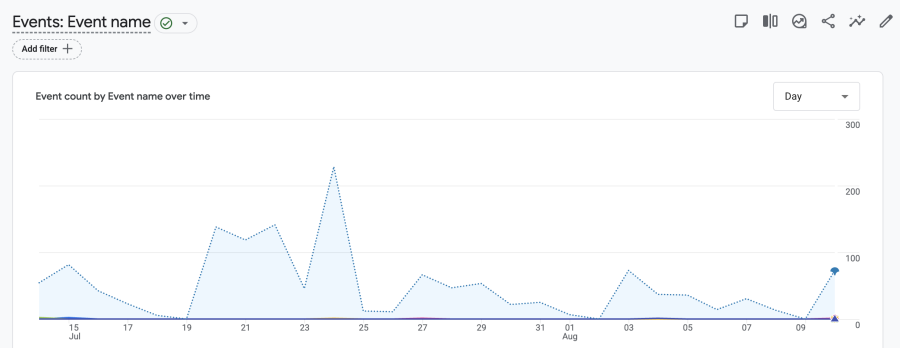
Study your analytics: traffic and sources, key events (conversions), keyword rankings and engagement time.
You should also work out your conversion rate with (conversions / traffic) x 100. If it’s below 1%, you need to work on optimising your website for leads.
Look at your competitors too, are they consistently ranking above you in search engines?
And what's Ai saying about your company?
These are helpful benchmarks to measure your new website against. If you can’t find them, a B2B website agency can help.
Step 2: talk to other departments
This one might sound strange, but stay with us.
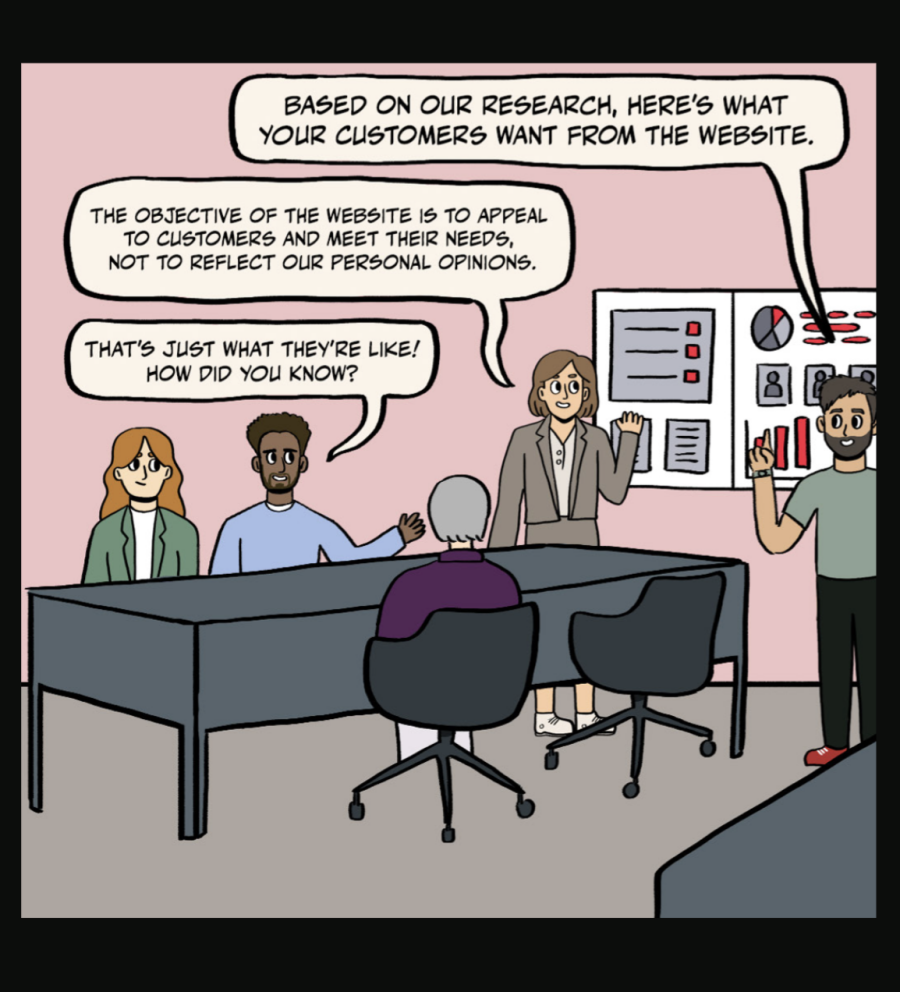
Other employees in your company might have some good insight into what your B2B website needs. Not in terms of colours or design (you'll always get plenty of opinions on that) but for content.
The sales department will know what questions potential customers ask, and what concerns they have. You address these with content on your website.
Perhaps customer service gets a lot of calls saying “I tried to find this on your website but...” Then you know where your navigation needs to be reviewed.
Have the conversations early, so you don’t come up against it later.
Step 3: set goals and objectives
With data and employee insight behind you, it’s time to set some goals.
Make sure most of them are measurable, rather than vague statements like ‘make it more modern.’ Instead, you want things like:
- Increase demo requests by X%
- Decrease the bounce rate
- Increase search traffic by...
- Achieve number 1 search ranking for...
- Add FAQs to reduce the number of phone queries.
- Update the design to reflect our premium positioning and quality
A design goal is fine. But make sure there are performance ones in there too, as the proof is in the pudding when it comes to presenting ROI to the C suite.
Find more detail in our article about setting measurable goals for your B2B website.
Step 4: get sign off and a budget from the C-suite
Take your goals and some idea of costs to your MD or leadership team. The cost of a full B2B website rebuild will be completely different to some fixes on a few key pages.
Go in with more than "it'll be a good refresh." Back your ideas up with research and figures.
Let’s say one of your goals is to improve your conversion rate to 2.2%, which is the B2B average. Take your average order value and your traffic numbers, and estimate the revenue potential to demonstrate the ROI.
This is why performance goals matter alongside design ones; they give you a number to put in front of the board.
Getting sign-off early means everybody is on board, and you'll know exactly what you're working with before you write a brief or talk to any agencies.
Step 5: write a B2B website brief
This is where everything you’ve gathered comes together into something an agency or developer can work with.
A good website design brief includes what's not working and why, your goals, budget, audience, brand guidelines, a few sites you like and a few you don't, any technical constraints, and a rough timeline. Plus, anything else you think is relevant.
A detailed brief gets you a more personalised proposal and specific project quote.
Step 6: find a suitable B2B website agency
Finally, it’s time to choose the right website agency for your project.
You want one that has solved your problem before, so look at their previous work, industry experience, results and whether they specialise in a certain sector.
A generalist agency might have built sites for a retailer, a charity and a manufacturer, all using the same recipe, whereas a specialist B2B agency has seen your exact problem across plenty of businesses just like yours.
They should help with planning, analytical skills and technical expertise in website development as well as the design, because they’re the ingredients for good results.

And that's it!
You just need to start with a solid recipe.
Know what's broken, what the website needs to do and what you can spend. Once you choose an agency to help you, it becomes a lot easier.
If you'd rather bring in a specialist B2B agency to help you find performance issues and set some achievable goals for your website, you can get in touch with us.
This article was published on .

The Forkcast
The Forkcast

Ready
to get
started?
We can make your new website a great success.